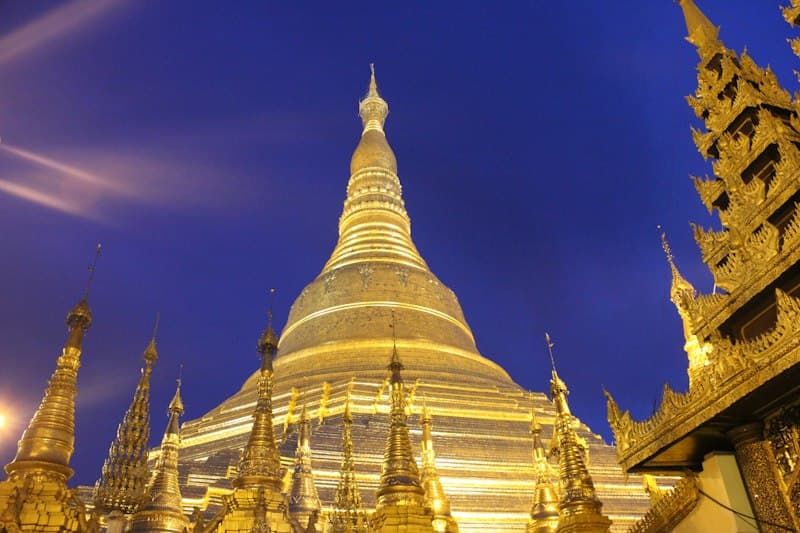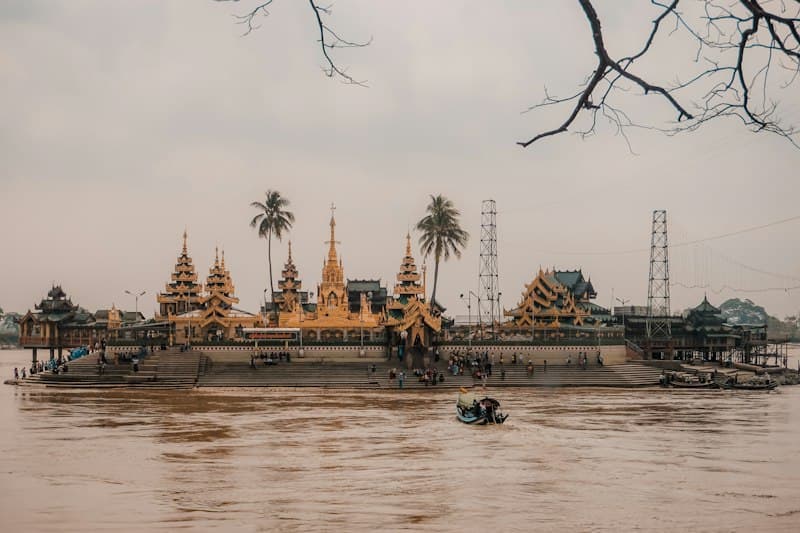
The National Museum houses an extensive collection of artifacts spanning Myanmar's rich history, from ancient Pyu city-states to the royal era and modern independence.
History
Myanmar's national museum was first established in 1952, shortly after independence, to preserve the country's cultural heritage. It moved to its current purpose-built building on Pyay Road in 1996. The collection grew from colonial-era surveys and royal treasures, including regalia saved from the Konbaung dynasty before the British annexation of Upper Burma in 1885. Today it is the country's principal repository of archaeological, ethnographic, and historical artifacts.
Collections
- Royal regalia including the Lion Throne of the Konbaung dynasty
- Ancient Buddha images and pagoda treasures
- Traditional costumes and ethnic textiles
- Archaeological finds from Bagan, Mrauk-U, and Pyu sites
- Natural history and cultural heritage exhibits across five floors
Practical Info
- Plan at least 2–3 hours for a thorough visit
- Photography restricted in some galleries — check signs
- Air-conditioned — good rainy-day activity
- Located on Pyay Road near Shwedagon Pagoda area
- Bags may need to be checked at reception
An essential stop for understanding Myanmar's history and culture.